
Quick Contact
- Attapur, Tolichouki, Manikonda, Sun City, Hyderabad
- 9505030603
- 9441695593
- swamysakes17@gmail.com
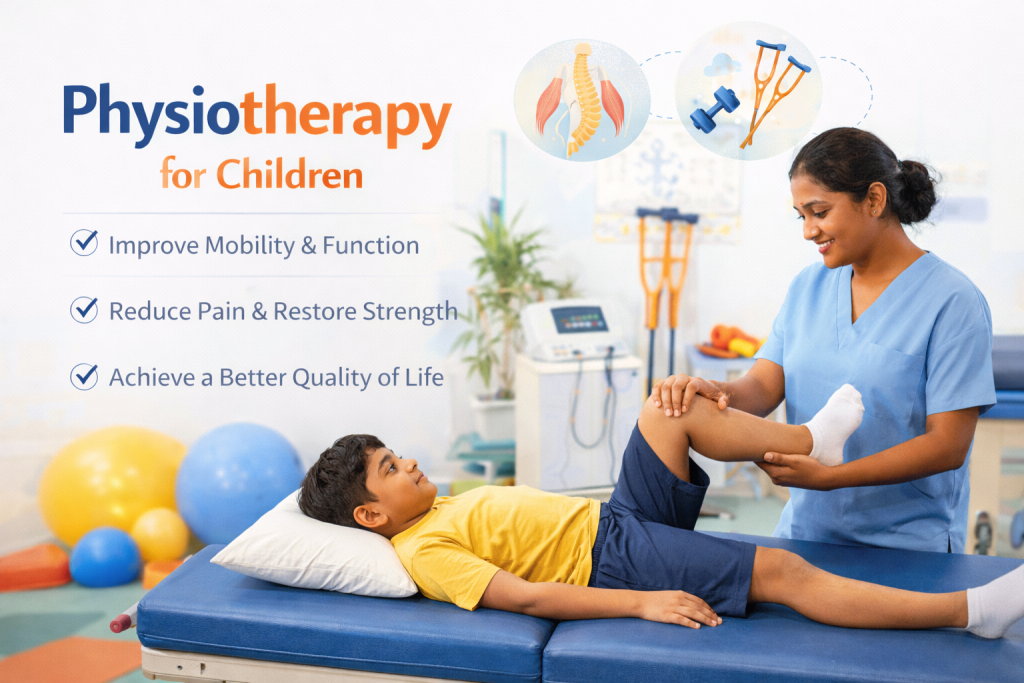
Physiotherapy, also known as physical therapy, is a healthcare profession that focuses on improving and restoring physical function and mobility through various techniques and interventions. It is used to treat a wide range of conditions, including injuries, chronic diseases, and disabilities. The goal of physiotherapy is to help individuals achieve optimal physical function, reduce pain, and enhance overall quality of life.
Here are some key aspects of physiotherapy:
1. Assessment and Diagnosis: Physiotherapists conduct thorough assessments to evaluate a patient's physical condition, including their strength, flexibility, balance, posture, and movement. They use this information to diagnose issues and develop a personalized treatment plan.
2. Treatment Techniques: Physiotherapy involves a variety of treatment methods, including:
o Manual Therapy: Hands-on techniques such as massage, joint mobilization, and manipulation to improve movement and reduce pain.
o Exercise Therapy: Prescribing and guiding exercises to strengthen muscles, improve flexibility, and enhance overall physical function.
o Modalities: Use of physical agents such as heat, cold, ultrasound, or electrical stimulation to alleviate pain and promote healing.
o Posture and Body Mechanics Training: Educating patients on proper body mechanics and posture to prevent injuries and reduce strain.
3. Rehabilitation: Physiotherapy is often used in rehabilitation settings to help individuals recover from surgeries, injuries, or illnesses. This can include recovery from orthopedic surgeries, stroke, sports injuries, and neurological conditions.
4. Pain Management: Physiotherapists use various techniques to manage and reduce pain, including therapeutic exercises, manual therapy, and modalities like heat and cold therapy.
5. Functional Improvement: The focus is on improving functional abilities and independence. This may involve training patients to perform daily activities more effectively and safely, such as walking, climbing stairs, or lifting objects.
6. Education and Prevention: Physiotherapists provide education on injury prevention, posture correction, and lifestyle changes that can enhance physical health. This includes teaching proper exercise techniques, ergonomics, and strategies to avoid exacerbating existing conditions.
7. Chronic Condition Management: Physiotherapy can help manage chronic conditions such as arthritis, chronic back pain, and respiratory conditions. It aims to improve function, reduce symptoms, and enhance quality of life.
8. Goal Setting: Physiotherapists work with patients to set realistic and achievable goals based on their individual needs and circumstances. Progress is regularly monitored and goals are adjusted as needed.
9. Collaborative Care: Physiotherapists often work as part of a multidisciplinary team, collaborating with other healthcare professionals such as doctors, occupational therapists, and speech therapists to provide comprehensive care.
10. Patient-Centered Approach: Physiotherapy is tailored to the individual’s needs, preferences, and goals. Treatment plans are designed to address specific issues and are adjusted based on the patient’s progress and feedback.
If you have specific questions about physiotherapy, whether it’s related to a particular condition or treatment approach, feel free to ask!
9505030603
swamysakes17@gmail.com
Attapur, ToloChouki, Manikonda,
Sun City, Hyderabad
© 2026. All rights reserved.