
Quick Contact
- Attapur, Tolichouki, Manikonda, Sun City, Hyderabad
- 9505030603
- 9441695593
- swamysakes17@gmail.com
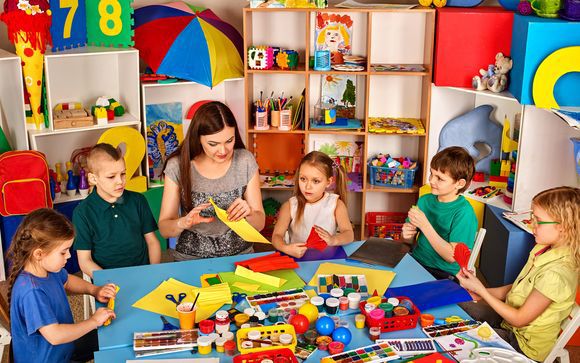
Special education is a tailored educational approach designed to meet the unique needs of students with disabilities or learning differences. The goal is to provide equitable access to education and support each student in achieving their full academic potential. Special education services are provided in various settings, including mainstream classrooms, specialized classrooms, and separate schools, depending on the needs of the student.
Here are key aspects of special education:
1. Individualized Education Program (IEP): An IEP is a customized plan developed for each student with disabilities. It outlines specific educational goals, accommodations, modifications, and services required to support the student’s learning. The IEP is developed collaboratively by educators, parents, and other professionals.
2. Specialized Instruction: Special education provides specialized teaching strategies and interventions to address the student's specific learning needs. This may include adapting curriculum materials, using assistive technology, or employing different teaching methods.
3. Accommodations and Modifications:
o Accommodations: Changes in how a student accesses information or demonstrates learning. Examples include extended time on tests, preferential seating, or the use of audio recordings.
o Modifications: Adjustments to what a student is expected to learn or complete. Examples include simplified assignments or alternate assignments that align with the student’s abilities.
4. Support Services: Special education often includes various support services such as speech and language therapy, occupational therapy, physical therapy, psychological services, and counseling to address different aspects of a student's needs.
5. Inclusion and Mainstreaming: Inclusion involves integrating students with disabilities into general education classrooms with appropriate supports, while mainstreaming refers to placing students in regular education settings for part of the day. Both approaches aim to provide students with opportunities to interact with their peers and benefit from a diverse learning environment.
6. Specialized Schools and Programs: Some students may benefit from attending specialized schools or programs that focus specifically on their disabilities or learning differences. These schools or programs offer tailored curricula and support services designed to meet the needs of their students.
7. Transition Planning: For students transitioning from school to adulthood, special education includes planning for post-secondary education, vocational training, and independent living. This helps students prepare for life after school and achieve their personal and career goals.
8. Legal Protections: In many countries, special education services are mandated by law to ensure that students with disabilities receive appropriate education and support. Laws such as the Individuals with Disabilities Education Act (IDEA) in the United States outline rights and protections for students with disabilities.
9. Parental Involvement: Parents or guardians play a crucial role in special education. They are involved in developing the IEP, monitoring progress, and advocating for their child's needs.
10. Professional Development: Educators and staff working in special education often engage in ongoing professional development to stay informed about best practices, new research, and effective strategies for supporting students with disabilities.
Special education aims to create an inclusive and supportive educational environment where all students can thrive. If you have specific questions about special education or need more information on how it works, let me know!
9505030603
swamysakes17@gmail.com
Attapur, ToloChouki, Manikonda,
Sun City, Hyderabad
© 2026. All rights reserved.